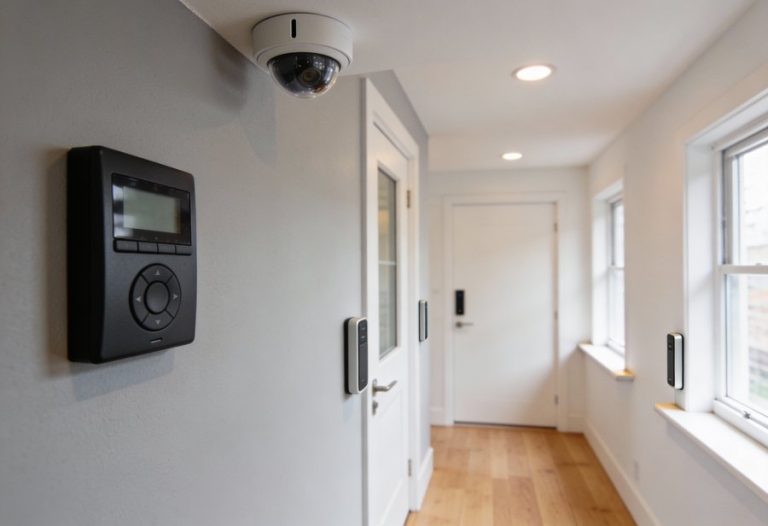
In an era where threats are more sophisticated than ever, modern home security has evolved beyond basic locks and alarms to incorporate smart, interconnected systems that offer real-time monitoring and remote control. From high-definition CCTV cameras to intelligent alarm sensors and biometric access controls, these integrated solutions promise enhanced safety and peace of mind. But how reliable are these digital safeguards when faced with connectivity issues or cyber threats? This preview reveals that while remote monitoring and automation significantly bolster security, they are not invulnerable—vulnerabilities like hacking and system failures remain. Experts emphasize that the most resilient security strategies blend advanced technology with traditional physical barriers and professional oversight. As the future beckons with smarter, AI-powered systems and interconnected devices, the question remains: can these innovations truly safeguard your family in today’s unpredictable world, or do they introduce new risks to consider? A layered, adaptable approach may be essential for comprehensive protection.
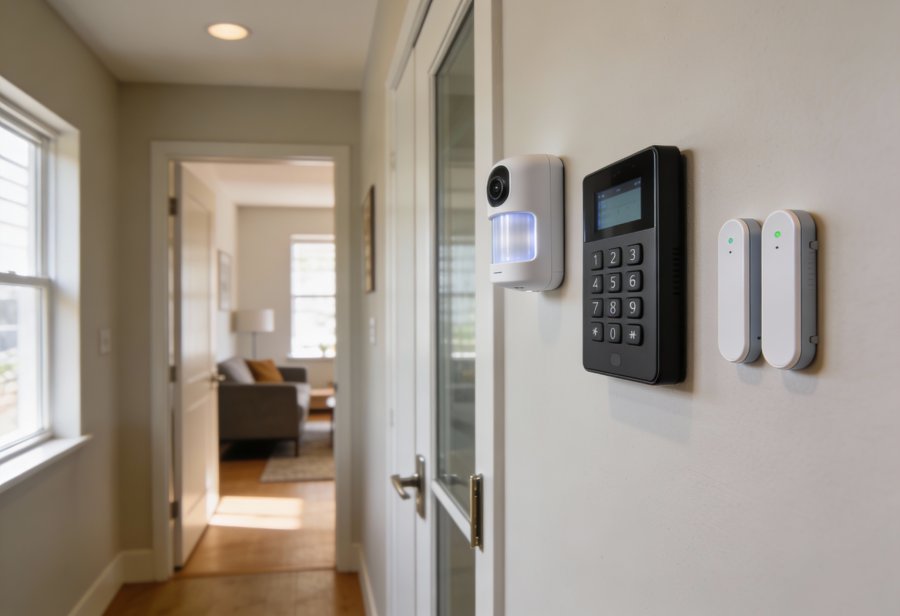
Discover How Home Security has Transformed into a Smart, Connected Shield
Home security has come a long way from the simple locks and deadbolts of the past. Today’s homes are protected by a network of connected devices that work together to keep families safe. This shift reflects how threats have become more complex and unpredictable, prompting homeowners to seek smarter, more adaptable solutions. Instead of relying solely on physical barriers, modern security now emphasizes remote control and real-time monitoring, giving families instant insight and control over their safety.
Advances in wireless technology and smart home devices have made these systems more accessible and easier to manage. From anywhere in the world, homeowners can check live video feeds, lock or unlock doors, and receive instant alerts about suspicious activity—all through their smartphones or tablets. This level of control transforms home security from a passive barrier into an active, manageable system tailored to individual needs.
Traditional locks and deadbolts served their purpose, but they no longer provide enough protection in an era of digital vulnerabilities and cyber threats. Modern security solutions combine physical security with digital oversight, creating layered defenses that are more resilient. Remote monitoring, automated alerts, and quick-response features help families stay connected and responsive, whether they’re at work, on vacation, or just out running errands.
The evolution of home security also highlights the importance of integration. Cameras provide visual oversight, alarms detect breaches, and smart locks control access—all managed through a centralized app. When these components work together, they form a proactive security network that responds dynamically. For example, detecting movement can trigger cameras to record, turn on outdoor lights, and send instant notifications, creating a flexible and effective defense.
Understanding how these systems have developed underscores their role in modern safety strategies. They are designed not just to deter intruders but to give families immediate insights and the ability to respond swiftly. This integrated approach makes home security more responsive, customizable, and effective in an unpredictable world, providing peace of mind in today’s fast-paced, connected lifestyle.
Uncover the Key Elements That Make Modern Security Systems Comprehensive and Effective
Modern home security systems hinge on several key components working together to create a comprehensive safety network. Cameras, or CCTV systems, serve as the backbone of visual monitoring. These devices not only record activity but also act as deterrents, especially when visibly placed around the property. With features like high-definition video, night vision, and motion alerts, they enable homeowners to check live feeds remotely—whether they’re at work, on vacation, or simply away for the day. This real-time access provides peace of mind and a swift way to verify suspicious activity.
Alarms form another critical element of integrated security. Equipped with sensors on doors, windows, and even motion detectors, modern alarm systems respond instantly to breaches. When triggered, they activate loud sirens and notify homeowners or monitoring services. Customizable to fit specific household layouts and routines, these alarms can be set to respond only during certain hours, reducing false alarms while maintaining vigilant protection. The integration of alarms with other devices allows for coordinated responses, like turning on outdoor lights or locking doors automatically.
Smart access control systems are revolutionizing entry management. Instead of traditional keys, homeowners now rely on keyless locks, biometric scans, or keypad codes. These systems offer the convenience of remote access management, enabling owners to grant or revoke entry instantly—perfect for visitors, service providers, or family members. When linked with other smart devices, access controls can trigger routines such as unlocking the garage or turning on hallway lights, seamlessly blending security with everyday convenience.
All these elements are most effective when integrated into a single, centralized system managed via a dedicated app. This interconnected setup simplifies control and enhances responsiveness. For example, a detected movement can prompt cameras to record, activate exterior lighting, and send immediate alerts—all automatically. This layered approach ensures multiple safeguards work in tandem, making it harder for intruders to bypass the system and providing families with a dynamic, adaptable defense.
For additional context, read Fred Morgan‘s article Revolutionizing Home Security with Smarter Remote Solutions on The Rubber Room.
Understanding how these components work together highlights the strength of modern home security. Cameras, alarms, and access controls each play a vital role, but their true power lies in their integration. This synergy creates a resilient, flexible system capable of responding swiftly and effectively to threats, giving homeowners confidence that their homes are protected from multiple angles in today’s unpredictable environment.
Protect Your Markham Property with F.I.S.T Security’s Advanced Solutions
F.I.S.T Security is a trusted Canadian owned and operated security provider serving the Markham Ontario area. With a reputation built on reliability and going the extra mile, FIST Security offers comprehensive security solutions including intruder detection, card access, closed circuit television (CCTV), intercoms, alarm monitoring, remote video monitoring, lighting, and environmental control. Whether you’re safeguarding a commercial or residential property, their expert team ensures your safety with tailored systems. Protect your assets and loved ones with a reliable alarm system from F.I.S.T Security. Contact them today at [email protected] or call 416.755.4233 for personalized service and peace of mind.
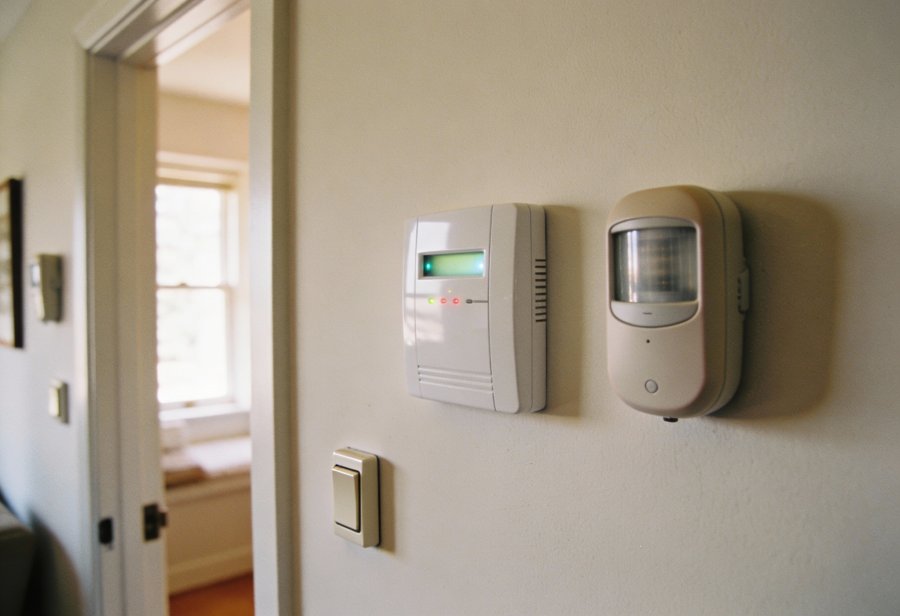
Explore Real-World Successes and Challenges of Today’s Home Security Technologies
Modern home security solutions are actively tested in real-life situations, revealing both their strengths and some notable gaps. Many families find peace of mind with remote CCTV cameras and smart locks, appreciating the ability to check live footage or lock doors from anywhere. These tools serve as effective deterrents—potential intruders often see visible cameras and are discouraged from attempting a break-in. Quick responses, like triggering alarms or turning on outdoor lights remotely, help families feel more in control, even when they’re miles away.
However, the effectiveness of these systems can suffer when internet connectivity drops or technical glitches occur. A Wi-Fi outage or software bug can temporarily disable remote access, leaving homeowners without control at a critical moment. Cybersecurity risks also loom; hackers can exploit vulnerabilities if systems aren’t properly secured, gaining unauthorized access to cameras or locks. These vulnerabilities highlight that relying solely on digital solutions can create gaps in security—gaps that intruders or technical failures might exploit.
You may also find value in Edwin Simmons‘s article Revolutionizing Home Security with Smart Connected Solutions available on Spatial Rifts.
Despite these limitations, many users report that integrated security systems significantly reduce their worries. The ability to verify activity instantly and respond proactively—by locking doors, activating alarms, or alerting authorities—adds a valuable layer of protection. When combined with physical safeguards like sturdy doors and outdoor lighting, these digital tools become part of a broader safety net. Relying only on remote control features without physical barriers can create a false sense of security, so a balanced approach is essential.
Professional monitoring services further boost system effectiveness. Trained security personnel can verify alarms, assess situations, and dispatch help quickly—often faster than homeowners could respond alone. This human element becomes especially crucial during emergencies, where rapid judgment and swift action can make a real difference. Having trained professionals overseeing your security setup ensures help is on standby, even if digital components fail or are compromised.
Connectivity issues, software bugs, or hardware failures are inevitable at times, and they pose risks if homeowners aren’t prepared. These moments can leave your home vulnerable, especially during critical moments when quick digital response is needed. That’s why combining digital tools with traditional safeguards—like physical locks, outdoor lighting, and manual procedures—creates a more resilient security strategy. This layered approach ensures protection remains intact, even when one component encounters trouble.
While modern remote-controlled security devices offer unmatched convenience and immediate responses, they shouldn’t operate in isolation. A well-rounded security plan includes physical barriers, professional monitoring, and backup systems. This combination delivers peace of mind, knowing your home is protected from multiple angles and that vulnerabilities are minimized. By understanding both their strengths and limitations, families can make smarter choices about integrating technology into their safety routines.
In the end, these solutions are most effective when used as part of a comprehensive approach. Technology advances continue to make homes smarter and more responsive, but human oversight and physical safeguards remain vital. Staying aware of system limitations and maintaining proper security habits ensures that the benefits of remote control and real-time monitoring are fully realized. With a balanced strategy, families can confidently navigate today’s unpredictable threats, knowing their homes are as protected as possible.
Learn Expert Tips and Best Practices to Optimize Your Home’s Safety Strategy
Professional insights emphasize that the most effective home security setups combine multiple layers of protection. Relying solely on digital devices like cameras or smart locks isn’t enough; integrating these with physical safeguards such as sturdy doors, secure windows, and outdoor lighting remains essential. These traditional barriers continue to play a crucial role in deterring intruders and closing vulnerabilities that technology alone might overlook.
Tailoring security systems to fit the unique needs of each household makes a big difference. Every home has different layouts and routines, so customizing alarms, sensors, and access controls boosts their effectiveness. For example, placing motion detectors in less obvious spots or using sensors that differentiate between pets and intruders helps reduce false alarms while maintaining vigilance. Knowing how to maximize your system’s features allows you to balance security with convenience.
Adding professional monitoring enhances overall safety. Trained security personnel can verify alarms, assess situations, and dispatch help quickly—often faster than homeowners could respond on their own. This human element is especially valuable during emergencies, where rapid judgment can make a real difference. Having experts overseeing your setup provides peace of mind that your home is constantly protected, even if digital components malfunction or are compromised.
Galaxy Stats offers a relevant article by Madeline Anderson titled Discover How Modern Home Security Protects Your Peace of Mind.
Staying informed about emerging technologies keeps your security approach sharp. Features like AI-powered threat detection, facial recognition, and smart automation make systems more responsive and intuitive. However, these innovations also introduce new cybersecurity risks. Regularly updating software, changing passwords, and working with reputable providers help safeguard your system against hacking attempts. Combining cutting-edge features with solid security practices creates a resilient, adaptable setup.
Proactive system management—such as routine checks, testing alarms, and staying current with technological updates—ensures your security remains effective over time. Regular maintenance helps identify potential issues before they become vulnerabilities. A layered approach, blending technology, physical safeguards, and professional oversight, offers the strongest defense. This comprehensive strategy helps families avoid complacency and stay prepared against evolving threats.
Building a reliable home security system means recognizing that no single measure provides complete protection. Combining digital tools with physical barriers and human support creates a robust defense capable of adapting to new risks. By adopting these best practices, families can establish a security environment that’s both effective and flexible, giving them confidence that their home and loved ones are safeguarded in today’s unpredictable world.
Peek Into the Future of Home Security: Smarter, More Integrated, and Ready for Tomorrow
The future of home security is headed toward smarter, more integrated systems that go beyond basic alarms and locks. Advances in artificial intelligence are making threat detection more precise, reducing false alarms and allowing systems to identify real risks with greater confidence. These intelligent solutions can analyze activity patterns, distinguish between normal household routines and suspicious behavior, and respond automatically—whether by alerting homeowners, activating additional safeguards, or contacting emergency services. This makes security not only more responsive but also more seamless in fitting into busy, connected lifestyles.
The Internet of Things will continue to weave more devices into a cohesive network that reacts dynamically to changing conditions. Imagine a security setup where cameras, locks, sensors, and lighting work together, adjusting in real time based on who’s home, the time of day, or detected activity. This interconnectedness transforms home security into a living system that anticipates threats and adapts accordingly, making homes safer and more resilient. As these networks evolve, they’ll help families stay a step ahead of unpredictable dangers, providing a new level of proactive protection.
However, increased connectivity means heightened cybersecurity risks. Hackers targeting smart devices—cameras, locks, or alarm systems—pose a significant threat. Protecting these systems requires regular updates, strong passwords, and choosing reputable providers. Building security solutions that are both innovative and resistant to cyber attacks is essential for maintaining trust and reliability in the smart home era. Without proper safeguards, the very technology meant to protect can become a vulnerability.
Emerging features like facial recognition, voice commands, and advanced sensors are set to make security systems more personalized and effortless. Homes will be able to recognize familiar faces, grant or deny access automatically, and react instantly to unusual activity. This proactive approach seamlessly integrates safety into daily routines, transforming home security from a burdensome task into an intuitive part of living. The goal is to create environments that are not just secure but smart, adaptable, and tailored to individual needs.
Despite these technological leaps, relying solely on connected devices isn’t foolproof. Connectivity issues, system failures, or cyber breaches can leave homes vulnerable at critical moments. That’s why the strongest security strategies blend digital tools with traditional safeguards—robust physical barriers, manual backups, and professional monitoring. This layered approach ensures protection remains intact even when one element falters, providing peace of mind in an unpredictable world.
Looking ahead, staying informed and adaptable is key. Families should keep up with the latest trends, regularly update their systems, and work with trusted providers. Combining cutting-edge technology with proven security practices creates a resilient environment capable of facing tomorrow’s threats. The future of home security isn’t just about new gadgets; it’s about building a comprehensive, flexible strategy that keeps families safe amid rapid technological change.
About the Author