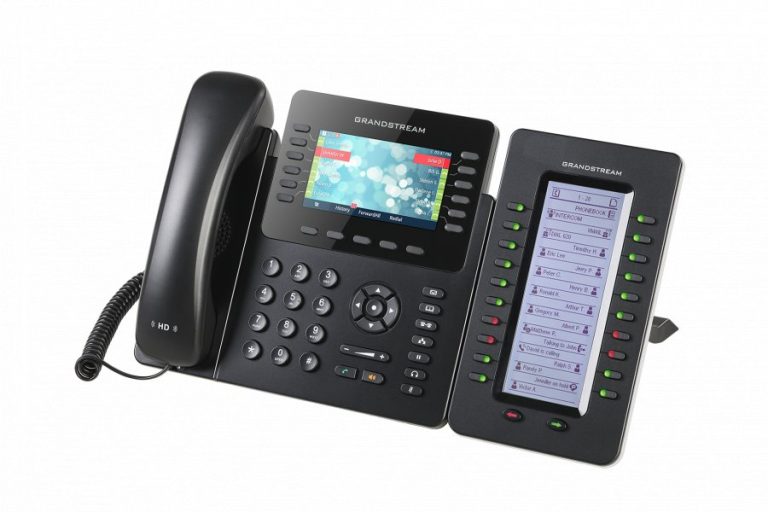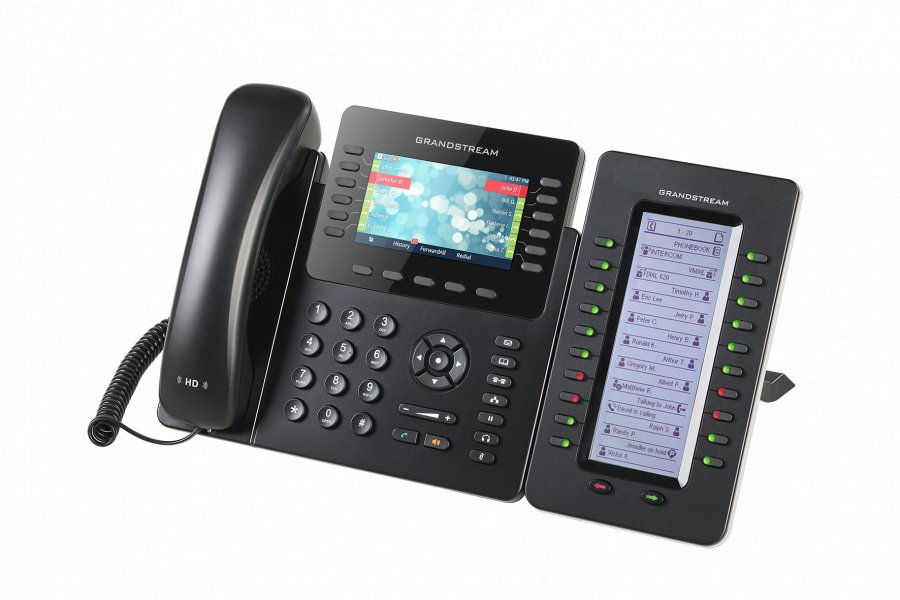
In a world where effective communication can make or break a business, modern phone services—powered by VoIP and cloud technology—are transforming the way organizations connect, collaborate, and grow. These systems offer impressive features like mobile integration, video conferencing, and automated support, elevating professionalism and customer satisfaction. But as companies embrace these innovations, are they fully aware of hidden costs, infrastructure challenges, or the need for staff training? The evolution from traditional landlines to sophisticated digital ecosystems has unlocked extraordinary flexibility, scalability, and security, yet it also demands strategic planning and ongoing management. Will these advanced tools become indispensable for future-proofing businesses, or are there pitfalls that could undermine their promise? Navigating this landscape requires understanding both the immense potential and the practical hurdles, making it clear that the future of professional connectivity hinges on smarter, more resilient communication solutions.
Unlock Seamless Business Communication with FiberConX’s Phone Service for Business in Canada
Enhance your company’s communication infrastructure with FiberConX Communications, a leading provider of phone service for business in Canada. Specializing in VoIP and IP Business phone services, FiberConX offers advanced features such as voicemail, IVR, Ring Groups, and voicemail-to-mail, ensuring your team stays connected and productive. Whether you’re looking to streamline customer interactions or improve internal communication, their solutions are tailored to meet your needs. Reach out today at 1.416.945.9210 or email [email protected] to discover how FiberConX can transform your business communication system.
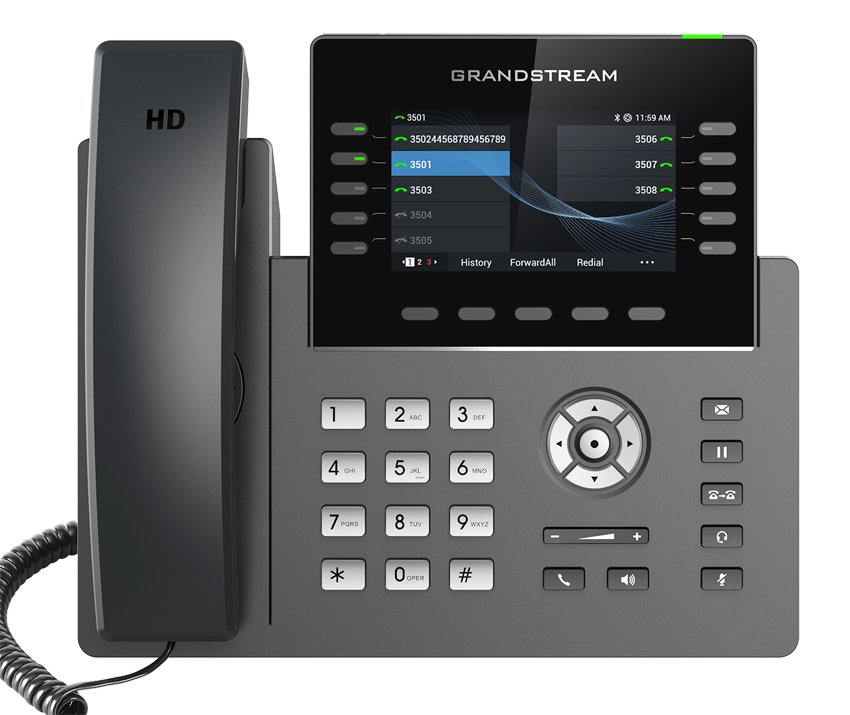
Modern Business Phone Services: The Key to Seamless Communication
In today’s fast-moving business environment, clear and reliable communication is more than just a convenience—it’s essential for success. Companies of all sizes rely on sophisticated phone systems to connect teams, serve customers, and keep operations flowing smoothly. Modern business phone services have come a long way from the traditional landline, now offering a range of features designed to meet the demands of a digital, interconnected world.
These systems are primarily built on Voice over Internet Protocol (VoIP) technology, which transmits calls over the internet instead of conventional phone lines. This shift brings significant advantages, such as lower costs, greater flexibility, and expanded capabilities. Features like voicemail-to-email, call forwarding, and integrated video conferencing have become standard, transforming everyday communication into a more efficient and professional experience.
Beyond basic voice calls, these platforms help organizations project a polished image. Automated greetings, smart call routing, and auto-attendants ensure customer inquiries are handled quickly and accurately, reducing wait times and enhancing satisfaction. For businesses aiming to appear larger and more organized, these features make a noticeable difference in how they are perceived.
Flexibility is another key benefit. Cloud-based solutions allow companies to easily add or remove users, numbers, and features—often with just a few clicks. This adaptability supports growth and change without the need for costly hardware upgrades or rewiring. Centralized management dashboards provide real-time insights and remote control, saving time and resources while enabling swift adjustments.
Security and compliance have become increasingly important, especially for sectors dealing with sensitive data. Modern phone systems incorporate encryption, call recording, and secure login controls to protect information and meet regulatory standards. These measures help build trust with customers and safeguard a company’s reputation against costly breaches.
As remote work continues to grow, these systems facilitate seamless connectivity from anywhere. Mobile apps, integrated video, and remote management tools empower teams to stay connected regardless of location. This level of flexibility not only boosts productivity but also helps organizations adapt quickly to evolving work styles and environments.
Traditional landlines served their purpose in the past, but today’s business phone services offer a smarter, more scalable, and more integrated approach. They are no longer just communication tools—they are vital components of a company’s strategy to remain competitive, professional, and connected in an increasingly digital world.
From Landlines to VoIP: The Evolution of Business Communication
The way businesses communicate has undergone a dramatic transformation over the past century. In the early days, landline phones were the primary tool for office communication. These systems relied on physical copper wires that connected phones within a building or between locations, making any changes or expansions slow and hardware-dependent. While reliable for basic voice calls, landlines offered little flexibility, which hindered remote work and rapid scaling. They simply weren’t designed for today’s fast-paced, interconnected environment.
The emergence of Voice over Internet Protocol, or VoIP, marked a major turning point in business communication. Instead of being tied to physical wires, VoIP allowed voice calls to travel over the internet. This shift significantly reduced costs and opened new possibilities for businesses. In the late 1990s and early 2000s, the first VoIP solutions appeared, but early versions faced challenges like inconsistent call quality and unstable connections. As internet infrastructure improved and compression technology advanced, these issues diminished, making VoIP a practical and affordable alternative to traditional landlines.
Today, internet-based communication systems continue to evolve rapidly. Modern platforms integrate voice, video, and messaging into a unified system, giving organizations a flexible, scalable way to stay connected. This transition from fixed landlines to internet-driven solutions has empowered businesses to be more agile. They can add new users instantly, support remote or hybrid teams, and adapt quickly to changing needs — all without the expense and hassle of installing new hardware or rewiring. This flexibility has become essential in a world where responsiveness drives success.
Traditional landline systems had minimal features beyond basic call connection. They lacked support for remote work or digital integrations, limiting their usefulness as organizations grew more complex. The rise of VoIP brought features like call forwarding, voicemail-to-email, and auto-attendants that transformed the customer and employee experience. These improvements made communication faster, more efficient, and adaptable, setting the stage for the widespread adoption of internet-based systems across industries.
The shift to internet-based communication isn’t just a trend; it’s a fundamental change that reshaped organizational connectivity. It unlocked new levels of scalability, security, and functionality that traditional landlines simply couldn’t provide. Organizations now enjoy the ability to expand quickly, secure their communications with encryption and call recording, and integrate their phone systems with other digital tools. This evolution has created a more resilient, responsive, and efficient way to stay connected.
As technology continues to advance, the future of business communication will likely include even smarter, more integrated solutions. Innovations like artificial intelligence, real-time analytics, and enhanced security protocols will further streamline workflows and improve customer interactions. The move from basic voice calls to comprehensive digital ecosystems is ongoing, and organizations that embrace this change will be better positioned to thrive in a highly connected, digital world.
For further reading, see Jess Mitchell‘s article Transforming Business Communication for a Connected Future hosted on Maple Syrup Diaries.
This ongoing evolution reflects a broader shift: communication is now a strategic asset. The transition from landlines to internet-based systems has not only increased operational efficiency but also empowered organizations to build stronger relationships, respond faster, and stay ahead of competitors. Today’s business communication landscape is more dynamic and adaptable than ever, setting the stage for continued innovation and growth.

Navigating Today’s Business Phone Landscape: Features, Providers, and Innovations
The landscape of business phone services today is more diverse and dynamic than ever, reflecting rapid technological innovation and changing workplace needs. Most providers now leverage Voice over Internet Protocol (VoIP) technology combined with cloud-based platforms, offering organizations a scalable and adaptable way to stay connected. These systems typically include features like auto-attendants, call routing, and voicemail-to-email, all designed to deliver a smooth, professional experience for both customers and employees.
One of the biggest shifts has been the integration of mobile capabilities. Modern systems enable employees to use dedicated apps on their smartphones or laptops, allowing them to respond to calls, messages, and meetings from virtually anywhere. This mobility transforms traditional office setups, supporting remote work and hybrid models without sacrificing communication quality or reliability.
Video conferencing has become a core component of these platforms, often embedded directly into the phone services. This integration allows for quick transitions from voice calls to virtual meetings, boosting collaboration and clarity. Seeing colleagues or clients face-to-face, even virtually, has become essential for effective communication, especially in remote or hybrid environments.
Security features have also advanced significantly, addressing concerns over data privacy and compliance. Encryption, call recording, and secure login protocols are now standard, helping organizations protect sensitive information and meet regulatory standards. These protections are especially critical for sectors like healthcare and finance, where data security isn’t optional.
Leading providers such as RingCentral, Zoom Phone, and 8×8 continue to innovate, offering a range of plans tailored to various business sizes and needs. These platforms support automation, AI-driven analytics, and personalized call routing, all aimed at improving operational efficiency and customer experience. As a result, modern communication tools are no longer just a convenience—they’re a strategic advantage.
For another take on this topic, see Ki Wood‘s article Revolutionizing Business Communication with Cutting-Edge Phone Technologies on Amsterdam Tulip Tales.
The emphasis on smarter, connected systems supports remote work, enhances security, and elevates customer engagement. Features like integrated video conferencing, mobile apps, and cloud management are transforming traditional business communication into a comprehensive ecosystem. This evolution ensures organizations can respond quickly, operate flexibly, and stay competitive in an increasingly digital landscape.
As technology continues to evolve, we can expect further innovations that will deepen integration and automation. Future developments might include AI-powered virtual assistants, real-time analytics, and enhanced security protocols, all designed to streamline workflows and improve resilience. The shift from traditional landlines to internet-based systems is not just a trend but a fundamental change shaping the future of professional connectivity.
Cost, Savings, and Strategic Value of Modern Phone Systems
Switching to modern business phone systems involves some initial expenses, primarily for IP phones, routers, and any necessary network upgrades to support high-quality VoIP calls. While these upfront costs can seem daunting, especially for small or growing companies, they are just the beginning. Once in place, ongoing expenses tend to be lower than traditional landline services, thanks to the cloud-based nature of these systems, which eliminate many maintenance and line rental fees. Subscription plans usually cover software updates, security features, and technical support, making budgeting more predictable and straightforward.
Premium features like advanced auto-attendants, video conferencing, and call analytics often come with extra charges, but many providers offer tiered plans that let businesses choose options that fit their specific needs and budgets. Over time, the savings from reduced call charges, less hardware maintenance, and increased operational efficiency often outweigh the initial investment. This makes modern communication systems a financially smart move for organizations focused on long-term growth and agility.
Scalability stands out as a key financial advantage. As a business expands, adding new users, numbers, or locations becomes simple and inexpensive—done with just a few clicks rather than costly hardware installations. This flexibility means your communication infrastructure can grow seamlessly with your organization, avoiding large capital expenditures and minimizing disruption. Centralized management dashboards further help monitor usage and optimize features in real time, saving time and money while improving overall efficiency.
Security also plays a crucial role in the financial picture. Modern phone systems incorporate encryption, call recording, and secure login controls that protect sensitive data and help meet industry regulations. Investing in these security measures early on reduces the risk of costly breaches and legal penalties, safeguarding your organization’s reputation and finances. Preventative security investments can prove more cost-effective than dealing with the fallout of data leaks or compliance violations.
Many organizations find that operational expenses decrease significantly after switching to cloud-based systems. Automated call routing, AI-powered auto-attendants, and mobile apps streamline support workflows, enabling fewer staff members to handle more inquiries efficiently. This not only cuts costs but also enhances customer satisfaction, which can lead to increased revenue and stronger client relationships.
A deeper treatment of this topic appears in Revolutionizing Business Communication with Modern Phone Solutions, by Icarus Jackson on Apex Elite Solutions.
For smaller businesses or those on tighter budgets, affordable options with essential features—like call forwarding, voicemail, and auto-attendants—are readily available. These solutions project a professional image without straining resources, allowing startups and small firms to stay connected and competitive while maintaining control over expenses through flexible, pay-as-you-go plans.
In essence, investing in a modern business phone system isn’t just about replacing outdated hardware; it’s about creating a resilient, scalable, and cost-effective communication foundation. The initial costs may be notable, but the long-term savings, operational improvements, and strategic advantages make it a wise decision. As technology continues to evolve, these systems will become even more affordable and vital to a company’s ongoing success.
Real-World Impact: How Modern Phones Transform Daily Business Operations
Modern business phones are reshaping daily operations in ways that are immediately noticeable and impactful. For instance, retail stores often use auto-attendants to handle high call volumes, directing customers swiftly to the right departments. This not only streamlines support but also elevates the professional image of the business, making clients feel valued from the first interaction. Similarly, teams working remotely or in hybrid setups rely on integrated video conferencing and mobile apps, ensuring seamless communication regardless of location. These features keep collaboration fluid, reducing misunderstandings and speeding up decision-making.
Small businesses particularly benefit from cloud-based phone systems. Features like call forwarding and voicemail-to-email ensure that messages are never missed, even outside regular hours. This responsiveness builds trust and strengthens customer relationships, giving smaller teams the tools to compete with larger firms. Many organizations have also adopted virtual meeting capabilities within their phone platforms, cutting travel costs and enabling quick face-to-face interactions with clients or partners. These practical tools make routine communications more efficient and less prone to delays.
Real-world examples highlight how these systems boost everyday workflows. A regional healthcare provider improved patient communication through a VoIP platform with auto-attendants and smart call routing, resulting in shorter wait times and higher satisfaction. A retail chain expanded support capacity effortlessly via cloud solutions, offering assistance beyond business hours thanks to mobile features. These stories underscore that modern phones aren’t just about convenience—they’re fundamental to operational excellence and customer experience.
Challenges do exist, such as underestimating the need for a robust network infrastructure. Poor bandwidth or misconfigured Quality of Service settings can impair call quality, especially with high call volumes. Staff training on new features is equally vital; without proper education, organizations risk underutilizing their system’s potential, leading to frustration and inefficiency. These lessons emphasize the importance of planning and ongoing support to maximize benefits.
For additional context, refer to Revolutionizing Business Communication with Future-Ready Phone Technologies, an article by Gabby Reed on Top Tier Assistance.
Overall, modern business phones are more than just communication tools—they’re strategic assets that drive growth and resilience. By enabling faster responses, clearer communication, and better customer engagement, they help organizations stay competitive in a rapidly evolving landscape. As technology advances, their role in daily operations will only deepen, making them essential for businesses aiming to adapt, innovate, and succeed in a digital-first world.
About the Author