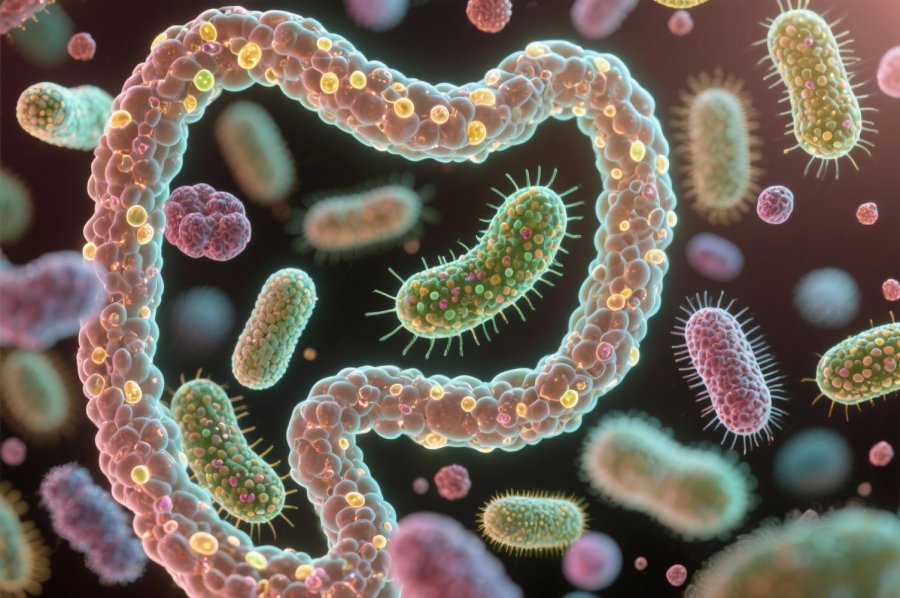
Probiotics promise to enhance digestive health by restoring and balancing the gut microbiome, yet their true efficacy depends on strains, individual microbiomes, and lifestyle factors. This evolving field explores whether targeted, personalized approaches could unlock higher benefits—raising questions about their limitations versus potential. Are we truly harnessing their full power, or do misconceptions and product variations undermine their impact? As scientific advancements introduce new delivery methods and tailored formulations, the future of probiotics looks poised for a transformative shift. Will these innovations lead to more reliable, effective solutions—integrated into broader health strategies—or will gaps in quality and understanding persist? This compelling tension between promise and reality invites you to consider if probiotics are the ultimate key to gut health or simply a supportive piece in a complex wellness puzzle. Either way, understanding their nuanced role is essential for making informed choices in health and wellness.
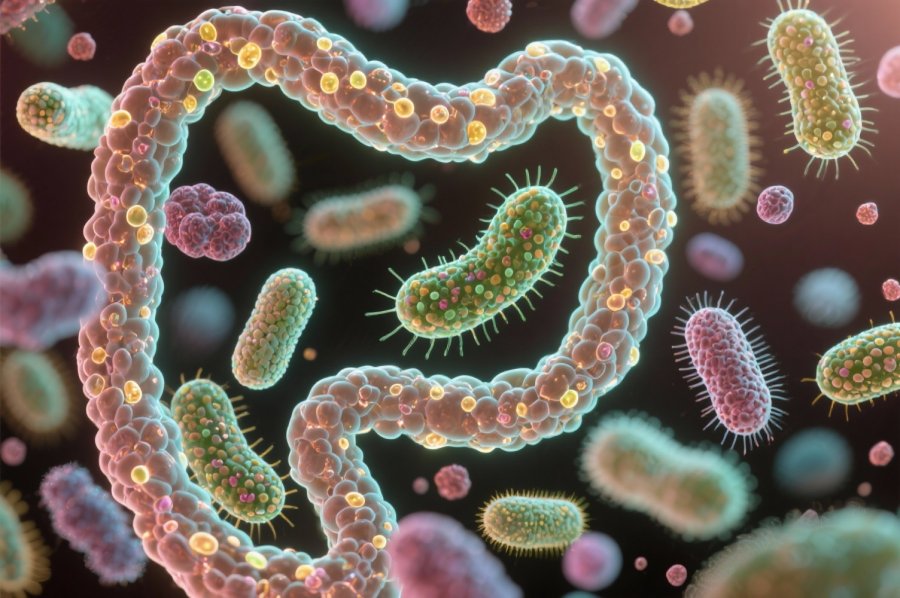
Unlocking the Power of Probiotics for Digestive Wellness
Probiotics are live microorganisms, often called “good bacteria,” that naturally reside in our digestive system or can be introduced through certain foods and supplements. They play a vital role in supporting digestion by helping break down food, absorb nutrients, and maintain a balanced gut environment. When our gut microbiome is healthy and diverse, it becomes easier for our bodies to process what we eat and fend off harmful microbes.
Most probiotics belong to the Lactobacillus and Bifidobacterium genera, which are commonly found in foods like yogurt, kefir, sauerkraut, kimchi, and miso, as well as in dietary supplements. Each strain has specific properties and targets different aspects of digestive health, making the choice of probiotic important. Not all strains are equally effective for everyone, so understanding what each does can help you make better decisions about including them in your routine.
The promise of probiotics is that, when consumed in adequate amounts, they can help restore and support a healthy gut microbiome. This is especially useful after disruptions caused by illness, poor diet, or antibiotics. They assist in replenishing beneficial bacteria, aid digestion, and may reduce issues like bloating, gas, or irregularity. Additionally, some studies suggest they might bolster immune defenses, although more research is needed to confirm these broader effects.
However, probiotics aren’t a cure-all. Their effectiveness varies depending on the strains used, individual microbiomes, and lifestyle factors. While many people notice improvements in digestion, others might see little change. Mild side effects such as gas or bloating can occur when starting probiotics, especially in the early days. For those with compromised immune systems or certain health conditions, consulting a healthcare professional before use is advisable to avoid potential risks.
Understanding probiotics involves recognizing their benefits alongside their limitations. They tend to work best when paired with a balanced diet rich in fiber and prebiotics, which serve as food for beneficial bacteria. The goal isn’t just to add bacteria but to foster a resilient microbiome capable of withstanding disruptions and supporting overall health. Approaching probiotics with realistic expectations helps maximize their potential for digestive health and well-being.
How Probiotics Boost Digestion and Strengthen Immunity
Probiotics are best known for their positive impact on digestive health. When we introduce beneficial bacteria into our gut, they help restore and maintain a balanced microbiome, especially after disruptions caused by poor diet, stress, or illness. This balance is essential for efficient digestion, as these microbes assist in breaking down food, absorbing nutrients, and reducing uncomfortable symptoms like bloating, gas, or irregular bowel movements. Many people find that adding probiotics to their routine leads to a more comfortable, regular digestion, making daily life smoother.
Beyond digestion, research increasingly highlights probiotics’ role in supporting immune function. These helpful bacteria can enhance the activity of immune cells such as macrophages and T-cells, helping your body better defend against infections. Some studies suggest that certain probiotic strains may reduce the severity and duration of respiratory illnesses and gastrointestinal infections. While promising, responses vary depending on the strains used and individual health factors, so probiotics are more of a supportive addition than a guaranteed fix for immunity.
Probiotics are especially beneficial after disruptions to the microbiome, like those caused by antibiotics. Antibiotics often wipe out both harmful and helpful bacteria, leaving the gut vulnerable to imbalance. Incorporating probiotics during or after antibiotic treatment can support microbiome recovery, reducing side effects such as diarrhea or bloating. They work by replenishing beneficial microbes, helping your gut bounce back faster and maintain resilience against future disturbances. This restorative role underscores how probiotics can go beyond temporary relief to support overall gut health.
Choosing the right strains is crucial because not all probiotics have the same effects. Some are better suited for addressing digestive issues, while others target immune support or inflammation. The individual’s existing microbiome also influences how well probiotics work; a balanced gut may see limited benefits, whereas someone with a disrupted microbiome could experience more noticeable improvements. Pairing probiotics with a fiber-rich diet further enhances their effectiveness, as prebiotics serve as nourishment for these beneficial bacteria, helping them thrive and establish in your gut.
While probiotics offer numerous benefits, they are not a one-size-fits-all solution. Their effectiveness depends on factors like strain selection, dosage, and consistency. Mild side effects such as gas or bloating are common during initial use but often subside over time. For immunocompromised individuals or those with serious health conditions, caution is essential, and consulting a healthcare professional is recommended to avoid potential risks. Taking these factors into account helps ensure probiotics are used safely and with realistic expectations.
In summary, probiotics can significantly support digestive health and immune function when used thoughtfully. They help restore balance to the gut microbiome, reduce discomfort, and bolster your body’s defenses, especially after disruptions like antibiotics. However, their success hinges on selecting appropriate strains, maintaining regular intake, and supporting them with a healthy diet. Understanding these benefits and limitations allows you to harness probiotics as a valuable part of your overall wellness strategy.
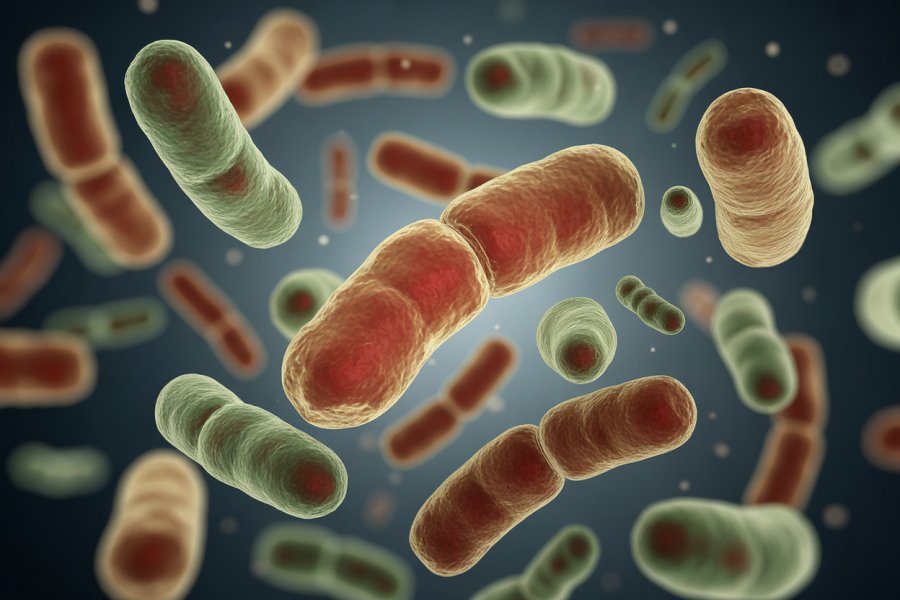
Key Factors That Influence Probiotics’ Effectiveness and Safety
The effectiveness of probiotics varies widely depending on several key factors. Different strains have unique properties, so choosing the right one depends on your specific health goals. For example, some strains are better at supporting digestion, while others focus on immune health. Your existing gut microbiome also plays a significant role; if your gut bacteria are already balanced, adding probiotics might yield minimal benefits. Conversely, if your microbiome is disrupted by factors like antibiotics or stress, probiotics are more likely to make a noticeable difference.
Diet is equally influential. Consuming prebiotic-rich foods such as garlic, onions, bananas, and whole grains provides nourishment—fuel for the beneficial bacteria you introduce. Without these prebiotics, probiotics may struggle to establish themselves or multiply effectively. On the other hand, diets high in processed foods and sugars can hinder probiotic activity, reducing their potential benefits and longevity in your gut.
Medications, especially antibiotics, directly impact probiotic success. Antibiotics can wipe out both harmful and helpful bacteria, leaving your gut vulnerable to imbalance. Taking probiotics during or after antibiotic treatment can support microbiome recovery, but timing matters. If taken too soon or with incompatible strains, the bacteria may not survive long enough to exert their effects. Understanding this delicate interplay helps optimize probiotic use during recovery periods.
Your overall health condition also influences safety and efficacy. People with weakened immune systems or chronic illnesses should approach probiotics cautiously. In rare cases, live bacteria can cause infections if the immune system cannot keep them in check. Consulting a healthcare professional before starting probiotics ensures you avoid potential risks, especially if you have underlying health issues.
Product quality remains a crucial consideration. Not all probiotic supplements are created equal—some may contain ineffective strains, poor labeling, or bacteria that aren’t viable by the time you consume them. Proper storage, like refrigeration for certain strains, preserves bacterial viability. Choosing reputable brands with transparent labeling and confirmed CFU counts increases your chances of experiencing genuine benefits. Always check expiry dates and storage recommendations to maintain potency.
Finally, the dosage and duration of use determine results. While higher CFU counts can be beneficial, more isn’t always better. A minimum of one billion live bacteria is generally recommended, but regular, consistent intake over weeks is what truly makes a difference. Stopping too early or inconsistent use can limit the benefits, as your gut needs time to adapt and integrate these new microbes. Recognizing these variables helps you use probiotics safely and effectively, maximizing their potential to support your health.
Practical Tips for Incorporating Probiotics into Your Daily Routine
Incorporating probiotics into your daily routine can be simple and effective with some mindful choices. Starting with probiotic-rich foods like yogurt, kefir, sauerkraut, or kimchi offers an easy way to boost your intake without much effort. These foods can be added to your meals or snacks, making it convenient to include them consistently. Pairing these with high-fiber options such as fruits, vegetables, and whole grains helps nourish the beneficial bacteria, supporting their survival and colonization in your gut.
If you prefer supplements, selecting reputable brands is key to ensuring quality and effectiveness. Look for products that clearly list the strains included and the colony-forming units (CFUs). Aiming for at least one billion CFUs provides a solid baseline, but choosing strains that match your specific health needs can optimize results. Taking probiotics daily or during times of stress, travel, or after illness helps maintain a resilient microbiome and supports your body’s natural defenses.
Timing your probiotic intake can make a noticeable difference. Consuming them with meals or shortly after eating can protect the bacteria from stomach acid, increasing the likelihood they reach your intestines alive. Combining probiotics with prebiotic foods like garlic, onions, or bananas creates an environment where these microbes can thrive, giving them the nourishment they need to establish themselves effectively.
Consistency is crucial. Regular use over several weeks allows the beneficial bacteria to settle in and work more effectively. For general health, a few servings of probiotic-rich foods each week might suffice, but during digestive upset or recovery from antibiotics, daily supplementation can be more beneficial. Listen to your body and adjust your routine accordingly, understanding that patience is key to seeing meaningful results.
When taking probiotics alongside antibiotics, timing matters. Incorporating probiotics during or after your medication course can support microbiome recovery and reduce side effects like diarrhea. However, spacing their intake appropriately ensures the probiotics aren’t killed off by the antibiotics, maximizing their survival and colonization potential.
Choosing high-quality products and storing them properly also enhances their effectiveness. Keep refrigerated those strains that require it, and always check expiry dates and storage instructions. Reliable brands with transparent labels and verified CFU counts give you greater confidence that you’re getting what’s promised, making your efforts more likely to pay off.
Adopting these practical steps helps turn probiotic use into a consistent, beneficial habit. When integrated thoughtfully with a balanced diet and healthy lifestyle, probiotics can support your digestive health and overall well-being, making them a useful tool in your wellness routine.
Future Trends and Evolving Perspectives on Probiotics
The future of probiotics is increasingly centered around personalization. Advances in microbiome research and genomics are paving the way for tailored treatments that match an individual’s unique gut profile. Instead of relying on generic strains, scientists are developing probiotics designed to target specific health concerns—whether reducing inflammation, supporting metabolic health, or influencing mental well-being through the gut-brain axis. This shift toward precision medicine promises higher efficacy because the right strains are selected based on your microbiome’s particular needs.
Alongside this, innovative delivery methods are emerging to improve probiotic survival and function. Encapsulation technologies now protect bacteria from stomach acid, ensuring they reach the intestines alive and ready to establish themselves. The rise of synbiotics—products combining probiotics with prebiotics—aims to give beneficial microbes an immediate boost by providing the food they need from the start. These advancements not only enhance effectiveness but also make probiotic use more convenient and reliable, encouraging consistent consumption.
Looking ahead, probiotics are increasingly integrated into broader health strategies that consider genetics, lifestyle, and environment. The growing understanding that gut health influences mental clarity, immune resilience, and metabolic balance is expanding their potential applications. Future approaches may involve comprehensive protocols blending diet, targeted supplementation, and lifestyle adjustments to optimize overall wellness. This holistic view recognizes the microbiome as a key piece of the puzzle, supporting long-term health rather than just short-term relief.
Regulatory frameworks are expected to evolve alongside scientific progress. As probiotics become more sophisticated and personalized, the need for clear standards around product quality, safety, and labeling becomes critical. Consumers will benefit from increased transparency, helping them distinguish effective options from less reliable ones. Stricter regulations will also foster ongoing research, encouraging the development of new strains and formulations rooted in solid science instead of marketing hype.
The landscape of probiotics is shifting toward a more nuanced, science-driven future. The move to personalized solutions promises higher success rates and broader health benefits. As our understanding deepens, probiotics are poised to become an integral part of a comprehensive approach to health—one that accounts for individual biology and lifestyle factors. Staying informed about these emerging trends will be key to making the most of their potential and ensuring safe, effective use in the years to come.
About the Author